
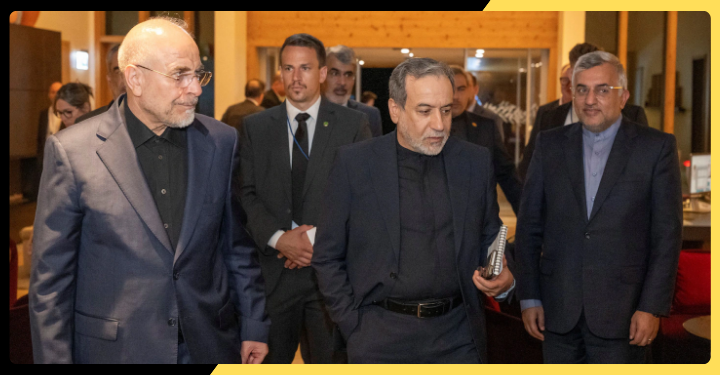

New Allegations Intensify Regional Diplomatic Pressure
Ceasefire negotiations in the Middle East are facing renewed uncertainty after reports claimed that the United States warned Iran about a possible Israeli plan targeting senior ceasefire negotiators. The alleged warning, which has not been independently verified by any of the governments involved, has added another layer of tension to an already fragile diplomatic environment.
According to media reports citing unnamed officials, U.S. intelligence suggested that individuals involved in sensitive peace discussions could face security threats. Washington reportedly passed this information to Iranian authorities in an effort to prevent any escalation that could disrupt ongoing negotiations.
While the reports have drawn widespread attention, officials from the United States, Iran, and Israel have not confirmed the existence of any such plot or intelligence assessment.
Fragile Nature of Ceasefire Negotiations
Ceasefire talks in the region are typically conducted under intense pressure, often involving indirect communication between parties that do not maintain formal diplomatic relations. Mediators play a crucial role in facilitating dialogue, managing proposals, and ensuring that agreements can be implemented on the ground.
These negotiations often focus on urgent humanitarian issues, including temporary ceasefires, aid access, and prisoner exchanges. Even minor disruptions can slow progress or cause talks to collapse entirely.
The reported warning highlights how vulnerable such processes can be when security concerns emerge around the individuals responsible for facilitating dialogue.
Rare Intelligence Sharing Between Adversaries
One of the most notable aspects of the report is the alleged sharing of intelligence between Washington and Tehran. The two countries have had decades of strained relations marked by sanctions, political disputes, and regional rivalries.
However, experts note that limited intelligence sharing has occurred in the past when there is a perceived risk of wider conflict or humanitarian crisis. Such exchanges are typically narrow in scope and focused on preventing immediate threats rather than signaling broader cooperation.
If accurate, this instance would represent another example of pragmatic communication in the interest of crisis prevention.
Israel Has Not Addressed the Claims
Israeli officials have not issued any public response to the allegations. Israel generally avoids commenting on intelligence-related matters, particularly those involving unverified reports or covert operational speculation.
Without official confirmation, there is no concrete evidence that any operation targeting ceasefire negotiators was planned or authorized. Intelligence assessments can change rapidly, and preliminary reports are often revised as new information becomes available.
Security analysts emphasize that caution is necessary when interpreting such sensitive claims.
Implications for Ongoing Peace Efforts
The reported warning has raised concerns among diplomats and analysts about the stability of ongoing ceasefire negotiations. The safety of mediators is essential for maintaining trust and ensuring that discussions can proceed without interruption.
If negotiators believe they are at risk, they may restrict travel, delay meetings, or rely more heavily on indirect communication channels. Such changes can slow diplomatic progress and reduce the likelihood of achieving durable agreements.
Humanitarian organizations have stressed that any disruption in ceasefire talks could have immediate consequences for civilians in conflict-affected areas.
Regional Stability Concerns
The Middle East remains a region of overlapping conflicts and shifting alliances, where developments in one area can quickly affect others. Analysts warn that any escalation involving negotiators could have broader regional implications, potentially influencing military calculations and diplomatic alignments.
Even unconfirmed reports, they say, can shape policy decisions as governments reassess risks and adjust their strategies accordingly.
International observers continue to monitor the situation closely, particularly given the sensitivity of ongoing negotiations.
Calls for Verification and Diplomatic Restraint
Global diplomatic voices have urged caution in interpreting the reported allegations, emphasizing the importance of verifying intelligence before drawing conclusions.
Officials stress that misinformation or incomplete intelligence can lead to misunderstandings, especially in high-stakes environments involving multiple regional actors.
At the same time, there is broad consensus that protecting ceasefire negotiators and maintaining secure diplomatic channels is critical to preventing further escalation.
Uncertainty Continues
Many questions remain unanswered, including whether a credible threat existed, how the intelligence was obtained, and what level of risk was assessed by U.S. authorities.
With no official confirmation from any government involved, the story remains largely dependent on anonymous sources and media reporting.
Despite the uncertainty, the episode highlights how quickly diplomatic efforts can be affected by security concerns, and how fragile ceasefire negotiations remain in a highly volatile region.
