
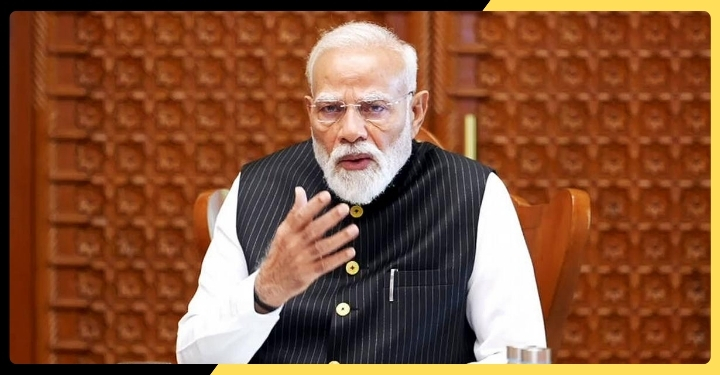

Prime Minister Narendra Modi has raised serious concerns over the escalating Iran conflict, warning that disruptions in global energy routes could have far-reaching consequences for India and the world. Calling the situation “worrisome,” Modi emphasized the urgent need for de-escalation and international cooperation.
A key focus of his address was the vulnerability of the Strait of Hormuz, one of the most vital arteries for global oil transport. The waterway handles nearly one-fifth of the world’s oil shipments, making it indispensable for energy-dependent economies like India.
Modi warned that any blockage or instability in this region could lead to sharp spikes in oil prices and disrupt supply chains worldwide. For India, which relies heavily on imports to meet its energy needs, such a scenario could strain public finances, increase fuel prices, and impact economic growth.
However, the Prime Minister also struck a reassuring tone. He noted that India currently has sufficient reserves of petroleum products and is actively expanding its storage capacity. Measures have been taken to ensure uninterrupted supply of LPG, petrol, and diesel, minimizing the risk of shortages in the short term.
India’s response to the crisis has been proactive and multifaceted. On the diplomatic front, Modi has engaged with leaders across the region, including Iran, to stress the importance of maintaining open shipping lanes and ensuring the safety of civilians. These efforts highlight India’s commitment to stability and its role as a responsible global actor.
The Prime Minister also acknowledged the broader economic implications of the conflict. Global trade routes, aviation, and shipping industries have already begun to feel the impact. If the conflict persists, it could slow down global growth and create ripple effects across markets.
Importantly, Modi highlighted the need for preparedness, drawing parallels with past crises like the COVID-19 pandemic. He stressed that governments must remain vigilant and adaptable, ready to respond to rapidly changing situations.
India’s balanced stance—maintaining relations with multiple stakeholders while advocating peace—has been central to its foreign policy approach. Modi reiterated that dialogue remains the only sustainable solution and called on the international community to work collectively towards de-escalation.
As tensions continue to simmer, India finds itself navigating a complex geopolitical landscape. While the country has taken steps to safeguard its interests, the evolving situation in the Gulf region underscores the interconnected nature of global economies and the importance of stability in critical energy corridors.