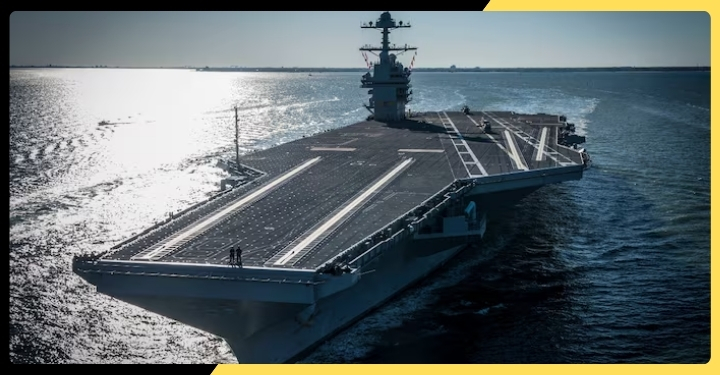

As diplomatic strain between Washington and Tehran intensifies, a U.S. Navy warship in regional waters is confronting an unexpected internal challenge: widespread plumbing malfunctions that have tested patience and discipline among its crew.
The problems reportedly began with isolated toilet failures before spreading through interconnected waste lines. Ship engineers identified blockages within the vacuum network—a system designed for efficiency but vulnerable to misuse.
Life at sea is inherently demanding. Sailors operate in confined spaces, sharing facilities and adhering to strict schedules. With tensions high and operational demands increasing, the breakdown has amplified stress levels.
Crew members describe rotating access schedules and heightened scrutiny over hygiene practices. Commanders have reiterated that only approved materials may be flushed, warning that further violations could lead to disciplinary measures.
Defense analysts say such incidents, while mundane, highlight the complexity of sustaining naval forces far from home ports. “A warship is essentially a floating city,” one analyst noted. “Every system matters.”
Repair teams have worked around the clock to restore full functionality. Replacement parts were airlifted to a nearby base and transferred at sea. Officials expect complete resolution within days.
Meanwhile, leadership aboard the ship has focused on morale-building initiatives, including organized recreation during downtime and expanded communication access for sailors to contact families.
Though the plumbing crisis has drawn attention, it has not diminished the ship’s strategic role. The vessel remains engaged in surveillance and escort operations, underscoring the Navy’s commitment to regional stability.
In a theater defined by geopolitical maneuvering, the episode serves as a reminder: even in moments of international tension, everyday infrastructure can shape the lived experience of those on the front lines.