
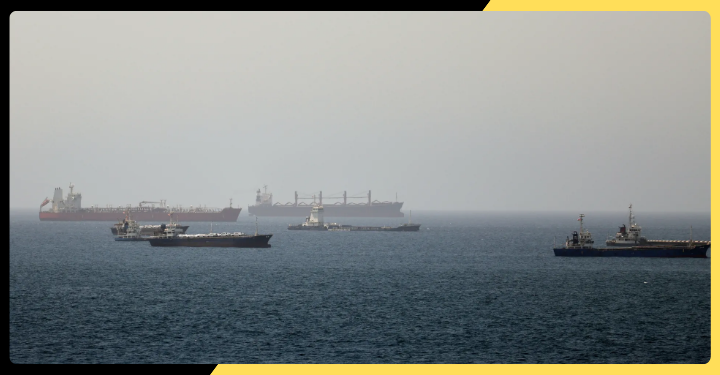

Oil markets entered a phase of reassessment after an initial spike driven by concerns surrounding evacuation planning and heightened security conditions near the Strait of Hormuz. What began as a sharp geopolitical reaction in crude futures gradually shifted into a more measured evaluation of actual supply risk, as traders examined whether the situation had any real impact on global oil flows.
At the height of the uncertainty, investors rapidly priced in a potential disruption scenario. Given that the Strait of Hormuz is responsible for a substantial share of seaborne crude exports, even precautionary measures were enough to push oil prices higher. Futures markets reflected this fear almost immediately, with both Brent crude and West Texas Intermediate experiencing volatility as risk premiums expanded.
However, as additional information became available, market sentiment began to shift. Shipping intelligence and maritime tracking systems indicated that commercial tanker traffic was continuing through the Strait without any major interruption. While vessels were reportedly exercising increased caution, there was no confirmation of closures, attacks, or sustained blockages. This helped ease concerns and prompted investors to reassess earlier assumptions.
The reassessment process was marked by a gradual reduction in speculative positions. Many traders who had entered long positions during the initial surge began to unwind them as volatility peaked and clarity improved. This shift in positioning contributed to downward pressure on prices, even in the absence of any change in underlying demand fundamentals.
Institutional investors and energy analysts also emphasized the importance of distinguishing between headline risk and physical supply disruption. While geopolitical developments can create short-term price spikes, sustained rallies typically require actual interruptions to production or transportation infrastructure. In this case, the absence of such disruptions led to a recalibration of risk assessments.
Another factor influencing the reassessment was the relatively stable global supply environment. Major oil-producing countries continued to maintain steady output levels, and there were no immediate signals of coordinated production cuts. Combined with adequate global inventory levels, this helped reduce fears of a supply shortage and supported price normalization.
Algorithmic trading systems also played a significant role in shaping market behavior. These systems initially reacted strongly to news related to the Strait of Hormuz, amplifying the upward price movement. However, as subsequent reports reduced perceived risk, automated selling and position adjustments contributed to a faster correction than might have occurred in purely manual trading conditions.
Shipping and insurance markets mirrored this shift in sentiment. Freight rates and risk premiums, which had briefly increased due to uncertainty, began to stabilize as it became clear that maritime traffic remained largely unaffected. This normalization helped reinforce the view that the disruption risk was limited in scope.
Despite the easing of tensions, investors remain cautious. The Strait of Hormuz continues to represent a key strategic vulnerability in global energy supply chains, and even temporary uncertainty can influence pricing.