
Rescue teams in Nepal are racing against time after a sudden flash flood struck the Himalayan region, killing people and leaving hundreds missing. The disaster has devastated parts of Rasuwa district and created a major emergency involving local residents, security personnel and foreign tourists.
The first reports indicated that at least several people had died, but casualty figures were changing rapidly as rescue teams reached more areas. Some reports later put the death toll higher, highlighting the difficulty of establishing an accurate figure during an ongoing disaster.
The number of missing people has also been a major concern. Authorities and travel agencies reported that hundreds of people could be unaccounted for, including more than 100 Indians. The figures are provisional because communications remain disrupted and many remote locations have not yet been fully assessed.
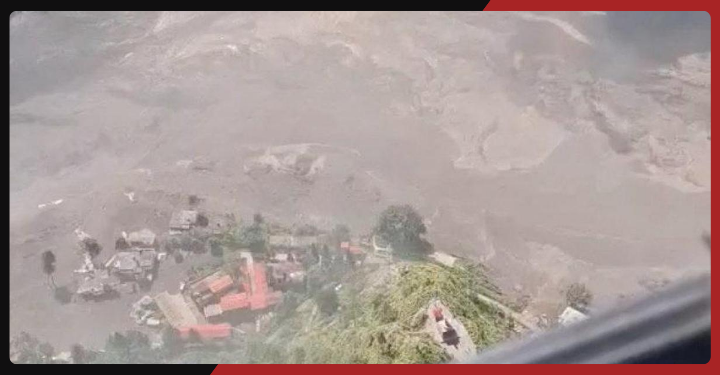
The flash flood reportedly originated in the Himalayan border region and moved rapidly through river channels. The Bhotekoshi River system was badly affected, with water and debris overwhelming settlements.
Several villages suffered major damage. Homes, vehicles and other structures were buried or swept away. Roads disappeared under mud and water, while bridges were destroyed.
The rescue operation is particularly difficult because of the geography. Rasuwa is mountainous, and access routes can be narrow even under normal circumstances. Once roads and bridges are damaged, rescue teams have to find alternative routes or use helicopters.
Nepalese police, military personnel and disaster-response teams have been mobilised. Authorities are also warning communities downstream to remain cautious because additional flooding may occur.
The disaster is also affecting neighbouring China. Flooding near the Nepal-Tibet border damaged infrastructure around Gyirong and prompted Chinese authorities to deploy hundreds of rescuers.
India is closely involved because of the large number of Indian nationals reportedly missing. The Indian Embassy in Nepal has established emergency arrangements, while Indian authorities continue efforts to identify affected citizens.
Prime Minister Narendra Modi has assured Nepal of India’s support. After speaking with Nepalese Prime Minister Balendra Shah, Modi said India was ready to provide humanitarian and relief assistance.
India is preparing emergency supplies for Nepal. Reports indicate that medicines and rations are among the relief materials being arranged. The Indian Air Force has also been kept on standby to assist with the humanitarian response.
For rescue workers, the next several hours are crucial. Finding people trapped beneath debris, reaching isolated settlements and preventing further casualties are the immediate priorities.
The flood also raises broader questions about disaster preparedness in the Himalayan region. Sudden floods triggered by avalanches, landslides or extreme weather can give communities very little warning.
Experts and authorities will eventually need to assess why the disaster occurred and whether improved warning systems could reduce the loss of life in future events.
For now, however, the priority remains rescue and relief. Nepal is dealing with a rapidly changing emergency, while neighbouring India and China are preparing to provide assistance.
As more information becomes available from remote areas, officials are expected to update casualty and missing-person figures. Families across several countries are anxiously awaiting news about loved ones who were in the affected region.