
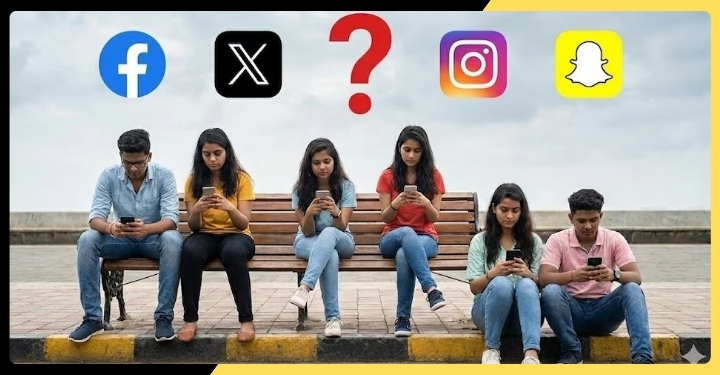

In a bid to combat the growing menace of misinformation, the Indian government is considering tightening IT regulations to include news content shared on social media platforms. The move reflects increasing concern over the role of digital platforms in shaping public opinion and spreading unverified information.
Social media has become a primary source of news for millions of Indians. While it offers speed and accessibility, it also lacks the editorial checks present in traditional media. This has led to the rapid spread of fake news, especially during sensitive events such as elections, pandemics, and communal incidents.
The proposed expansion of IT Rules aims to address these challenges by introducing stricter compliance requirements for social media companies. Platforms may be required to implement advanced content moderation systems, collaborate with fact-checking organizations, and ensure transparency in their algorithms.
Government officials argue that such measures are necessary to protect national security and public order. Misinformation campaigns, often driven by malicious actors, can have serious consequences, including violence and social unrest.
However, the proposal has reignited debates حول freedom of expression. Digital rights activists caution against excessive regulation, warning that it could lead to arbitrary censorship. They advocate for self-regulation and improved digital literacy instead of government intervention.
Another key concern is the impact on smaller content creators and independent journalists who rely on social media to reach audiences. Compliance requirements could disproportionately affect them, limiting their ability to operate freely.
The government has indicated that any changes will be made after thorough consultation. Balancing regulation with freedom will be crucial in ensuring that the digital ecosystem remains both safe and open.
As India navigates this complex issue, the outcome will likely set a precedent for other countries grappling with similar challenges in the digital age.