
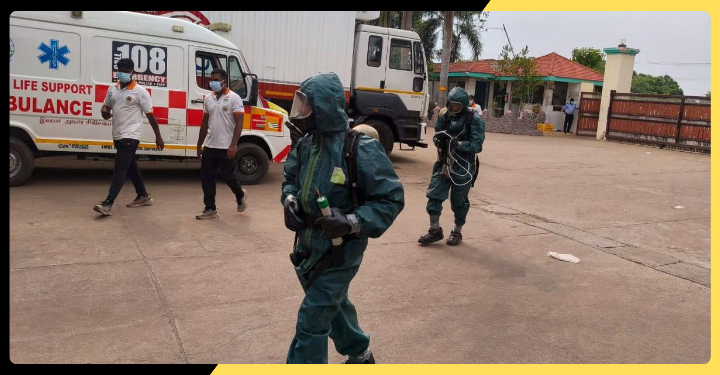

A suspected gas leak at a seafood processing factory in Tiruvallur, Tamil Nadu, has resulted in the deaths of seven women workers and left several others injured, triggering concerns over industrial safety practices and emergency preparedness. The tragic incident has drawn attention from government authorities, labor organizations, and safety experts, all seeking answers about how such a devastating accident could occur in a functioning industrial facility.
The incident unfolded during regular working hours when employees were carrying out routine activities inside the seafood processing unit. Workers reportedly noticed an unusual smell in one section of the factory before several employees began experiencing symptoms such as dizziness, breathing difficulties, coughing, and irritation. Within moments, panic spread throughout the facility as some workers collapsed and others attempted to escape the affected area.
Emergency services were immediately informed, and rescue teams rushed to the factory. Ambulances transported affected workers to nearby hospitals, where doctors worked to stabilize patients suffering from suspected toxic gas exposure. Despite these efforts, seven women workers were declared dead. Several others required medical treatment and remained under observation due to concerns about respiratory complications and possible long-term health effects.
Authorities have initiated an extensive investigation into the cause of the leak. Officials from labor, health, environmental, and industrial safety departments visited the site to assess the situation and gather evidence. Technical teams are examining machinery, refrigeration systems, chemical storage facilities, and ventilation infrastructure to determine the source of the gas and identify any potential violations of safety regulations.
Investigators are also reviewing maintenance records and safety documentation maintained by the factory. Employee statements and witness accounts are expected to play a significant role in reconstructing the sequence of events leading to the accident. Laboratory testing of collected samples will help establish the exact nature of the substance involved and its impact on human health.
The tragedy has left families and local communities devastated. Many of the women who lost their lives were key contributors to their households, providing financial support for children, elderly parents, and other family members. Their sudden deaths have created emotional trauma and economic uncertainty for loved ones who now face an uncertain future.
Relatives of the victims have demanded a transparent investigation and accountability for any negligence that may have contributed to the disaster. Grieving family members have questioned whether adequate safety measures were in place and whether workers were properly informed about potential hazards associated with their workplace.
Government officials have expressed condolences to the affected families and announced financial assistance for the victims’ dependents. Authorities have assured the public that strict action will be taken if the investigation uncovers violations of labor laws or industrial safety requirements. The incident has also prompted discussions about strengthening workplace safety oversight across the state.
Labor unions and worker advocacy groups have called for urgent reforms to improve safety conditions in industrial facilities. They argue that incidents involving hazardous gases can often be prevented through proper equipment maintenance, employee training, and effective monitoring systems. Union representatives have urged authorities to conduct comprehensive safety audits of similar factories to identify risks before they lead to further tragedies.
Industrial safety experts emphasize that gas leaks can occur due to equipment failures, inadequate maintenance, improper chemical handling, or malfunctioning refrigeration systems. Facilities that utilize hazardous substances are expected to maintain strict safety protocols, including leak detection systems, emergency alarms, evacuation procedures, and protective equipment for workers.
Experts also stress the importance of worker education. Employees must be trained to recognize warning signs of chemical exposure and understand emergency response procedures. Quick action during the early stages of a leak can significantly reduce injuries and save lives.
Medical professionals treating survivors have warned that toxic gas exposure can have lasting consequences. Depending on the substance involved, affected individuals may experience lung damage, respiratory disorders, neurological complications, and other health issues. Long-term monitoring and follow-up treatment may be necessary to ensure the well-being of those who survived the incident.
The seafood processing industry remains an important source of employment in Tamil Nadu, particularly for women. However, the latest tragedy has intensified scrutiny of workplace practices and raised broader questions about balancing industrial productivity with employee safety. Worker welfare advocates argue that no economic objective should take precedence over the protection of human life.
As investigations continue, public attention remains focused on the findings that will emerge from official inquiries. Many hope the tragedy will lead to stronger enforcement of safety regulations and encourage companies to invest more heavily in preventive measures.
The deaths of seven women workers represent a profound loss for their families and communities. What began as an ordinary workday ended in disaster, leaving behind grief, unanswered questions, and a renewed determination to improve workplace safety standards.
The Tiruvallur seafood factory incident serves as a powerful reminder that industrial safety requires constant vigilance. Employers, regulators, and policymakers share a responsibility to ensure that workers are protected from avoidable risks. Meaningful reforms inspired by this tragedy could help prevent future accidents and honor the memory of those who lost their lives.
While investigations will determine the precise cause of the leak, the broader lesson is already clear: worker safety must remain at the forefront of every industrial operation. Only through consistent commitment to safety and accountability can similar tragedies be avoided in the future.
