
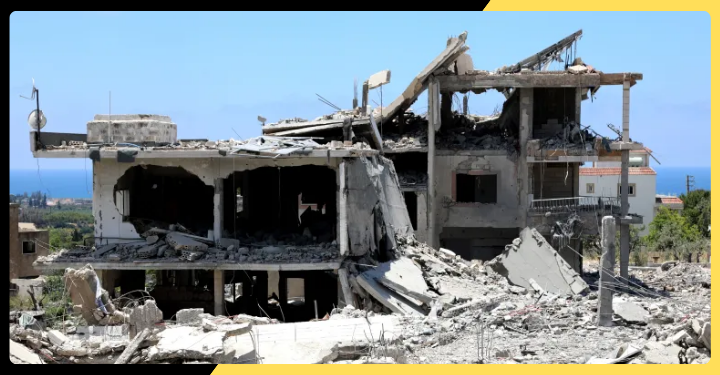

Diplomatic efforts between the United States and Iran are facing renewed uncertainty following a deadly escalation on the Israel-Lebanon border that reportedly left 22 people dead. The Israeli airstrikes, carried out in southern Lebanon, have heightened regional tensions and raised concerns that ongoing negotiations aimed at easing geopolitical rivalries could be disrupted by the latest outbreak of violence.
The strikes targeted locations that Israeli authorities described as security threats linked to armed groups operating near the border. Israeli officials defended the military action as a necessary measure to protect national security and prevent future attacks. Lebanese authorities, however, condemned the operation, reporting civilian casualties and warning that the incident could further destabilize an already fragile region.
The timing of the escalation has drawn particular attention because it coincides with ongoing diplomatic engagement between Washington and Tehran. Although relations between the two countries remain strained, recent discussions had created cautious optimism that some progress might be possible on issues related to regional security and conflict management. The latest violence now threatens to complicate those efforts and increase political pressure on negotiators.
Diplomacy in the Middle East often operates within a complex network of regional conflicts and competing interests. Events involving Israel and Lebanon frequently influence broader strategic calculations among regional and international actors. When military confrontations intensify, they can alter political priorities, reduce trust, and make diplomatic breakthroughs more difficult to achieve.
For the United States, the situation presents a significant challenge. American policymakers have long sought to balance support for Israel’s security needs with efforts to reduce tensions elsewhere in the region. Escalation along the Israel-Lebanon border could force Washington to focus more heavily on crisis management, potentially diverting attention from longer-term diplomatic objectives involving Iran.
Iran has strongly criticized the airstrikes, portraying them as evidence of growing instability in the region. Iranian officials have argued that military actions of this nature undermine efforts to create a more secure environment and increase the likelihood of broader confrontation. Such developments could strengthen political factions within Iran that are skeptical of engagement with the United States and advocate a more confrontational approach to regional affairs.
The uncertainty surrounding diplomatic talks is particularly concerning because negotiations were already facing significant obstacles. Decades of mistrust, conflicting regional interests, and disagreements over security issues have made progress difficult. Even before the latest escalation, experts warned that talks could be derailed by unexpected events. The Lebanon strikes now represent one of the most serious challenges to maintaining diplomatic momentum.
Regional governments are closely watching developments. Many countries in the Middle East recognize that continued instability could have economic, political, and security consequences far beyond the immediate conflict zone. Trade routes, energy markets, and investment environments can all be affected when tensions rise. As a result, there is considerable interest in preventing the situation from escalating further.
International organizations have called for restraint from all parties involved. Diplomatic representatives have emphasized the importance of avoiding actions that could trigger retaliation and lead to a broader conflict. They argue that maintaining open channels of communication remains essential, particularly during periods of heightened tension.
The situation is also generating concern among analysts who study conflict resolution. They note that diplomacy is often most vulnerable during moments of crisis, when public pressure and political considerations make compromise difficult. At the same time, such moments can also underscore the importance of dialogue by highlighting the risks associated with military escalation.
Looking ahead, the future of US-Iran negotiations may depend on whether regional actors can prevent the current crisis from expanding. If tensions continue to rise, diplomatic efforts could stall or collapse altogether. However, if leaders prioritize de-escalation and maintain communication, there may still be an opportunity to preserve ongoing talks.
The events on the Israel-Lebanon border serve as a reminder of how interconnected regional conflicts can be. A single military incident has the potential to influence diplomatic initiatives, reshape political calculations, and affect stability across the Middle East. As governments respond to the latest developments, the challenge will be finding ways to reduce tensions while keeping diplomatic pathways open. The success or failure of those efforts could have lasting implications for the region’s future.
