
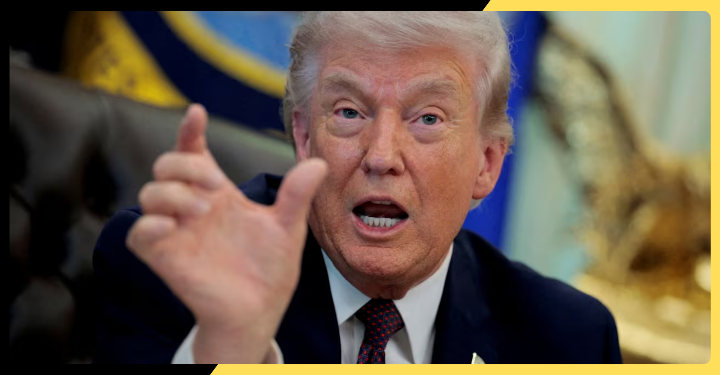

Reports of Donald Trump challenging Commerce Secretary Howard Lutnick over India’s tariff figures have provided a rare glimpse into the internal debates that shape trade policy. According to accounts of the discussion, Trump questioned whether the data being presented accurately reflected India’s treatment of American products, sparking a broader conversation about trade barriers and economic competitiveness.
Trade statistics can be highly influential in determining government policy. Leaders often rely on these figures when assessing whether trading relationships are balanced and beneficial. However, the interpretation of trade data is rarely straightforward. Different methodologies can produce different conclusions, particularly when tariffs vary significantly across industries.
Trump has long argued that the United States should take a tougher stance against countries that impose higher tariffs on American goods. During his presidency, he frequently criticized nations that he believed maintained unfair trade practices. India was often mentioned in these discussions because of its relatively high duties in certain sectors.
Supporters of Trump’s approach argue that highlighting tariff disparities helps draw attention to obstacles facing American exporters. They contend that reducing these barriers can create opportunities for businesses, support domestic manufacturing, and improve economic growth. Critics, however, argue that focusing solely on tariffs may overlook the broader benefits of trade relationships.
India’s position has remained consistent over the years. Indian officials maintain that tariffs are an important policy tool for supporting domestic industries and encouraging economic development. They also note that many countries employ various forms of protectionism, including subsidies and regulatory measures that can affect trade flows.
The reported disagreement with Lutnick appears to center on how tariff figures were being presented rather than on the overall importance of trade policy. Such debates are common among policymakers who must evaluate large volumes of economic data and determine which metrics best reflect reality.
Experts note that tariff discussions often become complicated because average rates can conceal significant variations between sectors. Agricultural products, industrial goods, and consumer items may each face different levels of protection. As a result, headline figures do not always capture the full experience of businesses operating in international markets.
The exchange also illustrates the growing importance of US-India economic relations. Trade between the two countries has expanded steadily, driven by rising demand, technological cooperation, and increased investment. Both governments have expressed interest in strengthening these ties while addressing areas of disagreement.
Many analysts believe that reducing trade barriers could unlock substantial economic benefits. Greater market access would likely encourage investment, create jobs, and increase consumer choice in both countries. Achieving these goals, however, requires careful negotiation and a clear understanding of the underlying data.
Internal policy discussions such as the reported Trump-Lutnick exchange can play a significant role in shaping future negotiations. By challenging assumptions and scrutinizing figures, policymakers seek to ensure that their decisions are based on accurate information.
Ultimately, the debate over India’s tariff figures reflects larger questions about how trade relationships should be evaluated. While tariffs remain an important measure, they represent only one part of a much broader economic picture. As policymakers continue to navigate complex global markets, disagreements over data and methodology are likely to remain a regular feature of trade discussions.
