
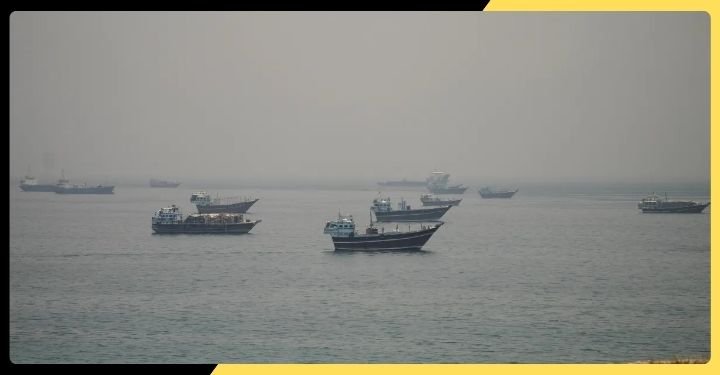

The announcement of a ceasefire often creates an impression that danger has passed. Governments celebrate diplomatic breakthroughs, markets recover confidence, and observers anticipate a return to normalcy. Yet in the Strait of Hormuz, one of the world’s most sensitive maritime corridors, a ceasefire does not automatically eliminate risks for civilian shipping.
For commercial vessels operating in the region, security challenges can persist long after political leaders declare an end to hostilities. The narrow waterway remains vulnerable to miscalculations, lingering tensions, and disruptions that threaten both global trade and human lives.
The Strait of Hormuz carries immense strategic significance. It serves as the primary route for a substantial share of the world’s oil exports and supports extensive commercial shipping activity. Any disruption can have far-reaching consequences for energy markets, supply chains, and international commerce.
Civilian shipping companies rely on stability to conduct operations efficiently. However, when geopolitical tensions intensify, merchant vessels face a range of challenges. Increased military activity, surveillance operations, and security alerts can complicate navigation and heighten uncertainty.
Indian sailors are among those most affected. As a major source of maritime professionals, India has thousands of citizens working aboard vessels that regularly transit through the Gulf. These seafarers play a critical role in keeping international trade moving, yet they often find themselves exposed to risks beyond their control.
A ceasefire may reduce the likelihood of direct confrontation between states, but it does not necessarily address all underlying security concerns. Military assets often remain deployed, regional rivalries continue, and strategic competition persists. Consequently, commercial ships may still operate in an environment where threats remain possible.
The shipping industry must adapt to these realities. Enhanced monitoring systems, improved communication channels, and comprehensive risk assessments are essential. Crews require up-to-date information and practical training to respond effectively to potential emergencies.
The economic stakes are also significant. Shipping disruptions can increase transportation costs, delay deliveries, and contribute to market volatility. For countries dependent on imported energy and exported goods, these effects can be substantial.
Yet economic considerations should not overshadow the human dimension. Behind every vessel are crew members whose safety depends on effective security measures and responsible policymaking. Seafarers often work far from home, facing long periods of separation from their families while operating in challenging environments.
The psychological impact of uncertainty deserves attention as well. Constant awareness of potential threats can place considerable stress on crews. Maintaining morale and mental well-being becomes increasingly difficult when security conditions remain unpredictable.
International cooperation is essential for addressing these challenges. Governments, maritime organizations, and industry stakeholders must work together to safeguard civilian shipping. Clear communication, coordinated security efforts, and respect for international maritime law can help reduce risks and strengthen confidence.
The concept of peace should extend beyond diplomatic declarations. For sailors navigating the Strait of Hormuz, peace means the ability to perform their duties without fear of becoming victims of geopolitical tensions. It means knowing that commercial vessels are protected and that civilian lives are valued.
Until those conditions are met, ceasefires may remain largely symbolic for many maritime workers. The absence of active conflict is important, but genuine stability requires more than temporary political agreements. It requires sustained commitment to protecting the people and industries that depend on secure navigation.
The Strait of Hormuz remains a vital artery of global commerce. Ensuring its safety is not only an economic necessity but also a humanitarian obligation. As policymakers celebrate diplomatic achievements, they must remember that the true success of any ceasefire is measured by its ability to protect lives at sea.
