
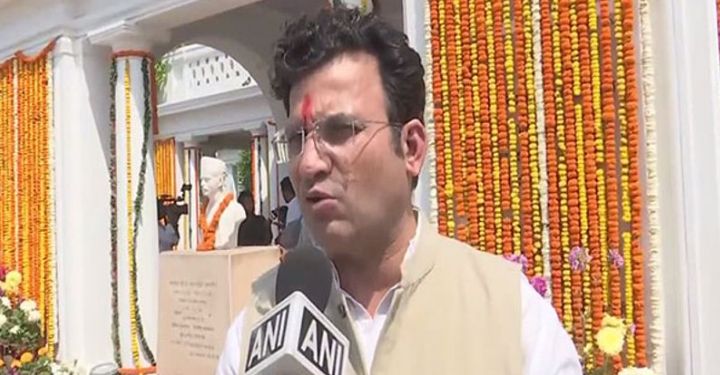

A proposal by a BJP MLA from Delhi has generated significant debate by suggesting that all meat shops in his constituency remain closed every Tuesday, citing religious reasons. The directive comes in response to the Hindu tradition of fasting on Tuesdays and abstaining from meat, a practice observed by a large portion of the local community. While some have welcomed the move as a way to respect religious sentiments, others fear that it could infringe upon secularism and personal business rights.
Understanding the MLA’s Directive
The MLA behind the directive claims it is a goodwill gesture aimed at respecting the religious practices of Hindus, who commonly refrain from eating meat on Tuesdays. According to the MLA, the closure of meat shops on this day would show respect for the religious practices of a significant portion of the population in his constituency. The MLA insists that the measure is voluntary, asking meat shop owners to comply out of respect rather than enforcing it as a law.
The move has been framed as a way to bring about social harmony by acknowledging the religious practices of the community, fostering a sense of unity among different religious groups. The MLA’s suggestion has received both support and criticism, with some calling it an important step towards interfaith respect, while others are questioning whether such religious policies should be implemented at all.
Economic Concerns and Business Impact
One of the major concerns about the MLA’s directive is its potential impact on local businesses. Many small meat shops, which are often family-owned, rely on daily sales to survive. Closing one day a week could lead to a significant loss in revenue. While large businesses or chain outlets may not feel the financial burden as much, smaller independent shops could be severely affected.
The directive could potentially drive consumers to other stores or markets that do not follow such rules, leading to an uneven playing field for local vendors. Many business owners have raised concerns that even a voluntary closure might be seen as a directive, and they fear that public pressure could lead to long-term compliance, further straining their operations.
Religious Sentiments and Secularism
The MLA’s call to respect religious practices is not without controversy. India, as a secular country, prides itself on allowing people from various religious backgrounds to coexist and practice their beliefs freely. Critics argue that the MLA’s directive may blur the line between religion and governance, potentially undermining the secular foundation upon which the nation is built.
There are concerns that such a move could lead to further religious interference in business practices, where politicians could start dictating business schedules based on religious observances. The risk, many believe, is that it could set a precedent for other communities to demand similar actions, eventually leading to the infringement of secularism in everyday life.
The Political Angle: Electoral Strategy or Religious Solidarity?
From a political perspective, the MLA’s decision could be interpreted as an attempt to secure the support of his Hindu constituents. Religious-based policies are often used by political leaders to consolidate their position among a specific voting group, particularly in a diverse city like Delhi, where religious demographics can play a major role in elections.
Opponents of the MLA’s move argue that such decisions might be driven by electoral calculations rather than genuine concern for the religious sentiments of the people. By capitalizing on religious issues, the MLA may be attempting to rally his base, but this could potentially alienate other groups who feel marginalized by the decision.
Conclusion
The directive issued by the Delhi BJP MLA to close meat shops on Tuesdays has sparked a wide-ranging debate about the role of religion in public policy, business freedoms, and the protection of secular values. While the intent behind the directive may be to promote communal harmony, its potential consequences for business owners and secularism in India are deeply concerning for many. The broader implications of this proposal will likely continue to fuel discussions on the intersection of religion, politics, and the economy in India.