
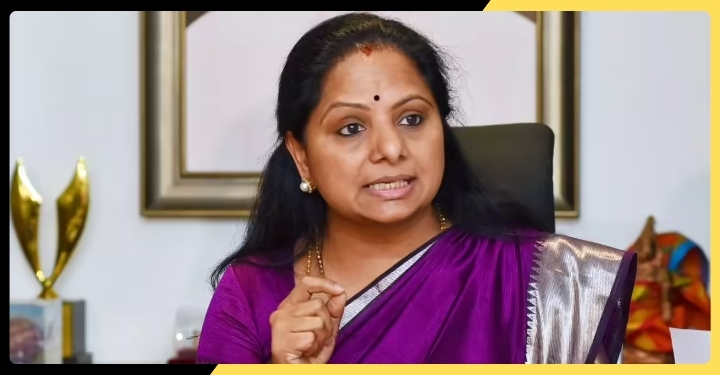

K Kavitha’s political career has endured intense scrutiny — from her arrest in the Delhi excise policy case to months in judicial custody, and now to a court-ordered clean chit on 27 February 2026. The verdict, which also discharged other high-profile accused, came after the judge flagged significant gaps in the CBI’s prosecution and lack of substantive evidence. While the CBI plans to challenge the order, the immediate effect has been a political reset for Kavitha.
In responding to the verdict, Kavitha declared “truth triumphs”, asserting the case against her was a politically motivated vendetta aimed at tarnishing opposition voices. Her statements underscore a broader theme she’s likely to emphasise going forward — political martyrdom and vindication.
This judicial relief intersects with a rupture in her relationship with the Bharat Rashtra Samithi (BRS). Kavitha’s growing rifts with party hierarchy, particularly over leadership direction and strategy, led her to resign from the BRS. Reports suggest she plans to launch a new political party by May 2026 and contest upcoming municipal elections, including the Greater Hyderabad Municipal Corporation polls.
Kavitha’s attempt to establish an independent political identity reflects shifting dynamics in regional politics. She aims to channel grassroots support built through her organisation, Telangana Jagruthi, and her personal narrative into a broader political movement. A new party could give her autonomy in setting agendas and candidates, particularly among urban and youth voters disillusioned with existing parties.
However, the path is complex. The BRS remains a dominant force in Telangana, though it faced setbacks in recent elections. Internal critics caution that splitting opposition votes could benefit rivals, while supporters argue fresh leadership could energise segments ignored by traditional campaigns. Success will depend on Kavitha’s ability to assemble organisational strength quickly and articulate a clear policy platform beyond symbolic appeals.
Additionally, legal risks remain. Though currently cleared in the excise case, the prospect of a CBI appeal means judicial uncertainty lingers, potentially shaping public perception and media narratives. How she navigates this — maintaining a focus on political goals while legal processes unfold — could define her credibility and stamina as a leader.
In sum, K Kavitha’s future will be defined by her transition from accused to architect of her own political journey. Whether her new party becomes a force for change or a footnote depends on strategic clarity, organisational discipline, and the broader electorate’s appetite for alternatives to established political structures.