
A drone reportedly launched by Yemen’s Houthi movement was intercepted south of Mecca by Saudi air-defence forces, creating fresh concerns about the protection of one of Islam’s most important religious centers.
The Saudi-led coalition said its air-defence forces destroyed the drone on Tuesday evening before it entered the restricted airspace surrounding Mecca. Coalition spokesman Major General Turki al-Malki said the interception took place at approximately 6:50 p.m.
Saudi Arabia described the incident as an attempted Houthi attack on Mecca. The coalition said the drone was stopped before reaching the city and that its wreckage fell south of the urban area.
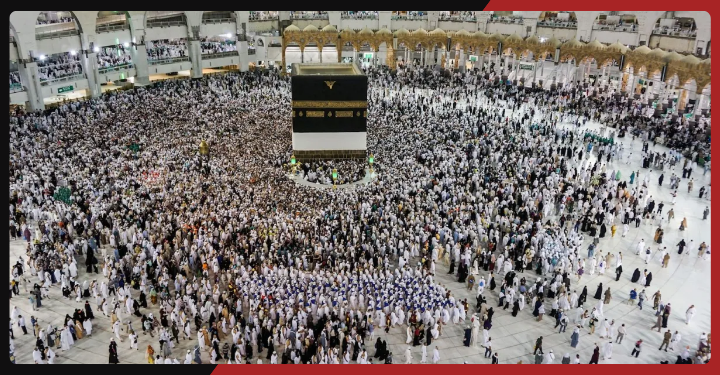
Mecca holds a unique place in the Islamic world. The city is home to the Grand Mosque and the Kaaba and serves as the destination for millions of Muslims undertaking Hajj and Umrah.
Because of this religious importance, security incidents around Mecca receive international attention. Saudi Arabia has repeatedly stressed the need to protect worshippers and residents in and around the city.
Al-Malki said the incident was the second reported Houthi attempt to target Mecca, citing a ballistic missile incident in July 2017. He also warned that the security of the Two Holy Mosques and pilgrims was a “red line.”
The Houthis have denied targeting Mecca. Their officials say the Saudi accusation is false and reject the claim that their forces attempted to attack a religious site.
The dispute over the drone’s intended target is taking place against a rapidly changing military environment. Saudi Arabia has reported a series of Houthi missile and drone attacks over the past week, while the Houthis have claimed attacks against Saudi targets.
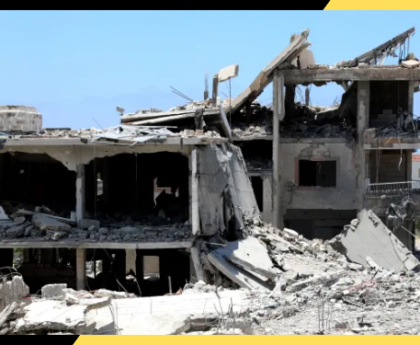
Saudi coalition officials have said previous attacks injured civilians and damaged residential property and vehicles. Those incidents have contributed to increased security alerts in several Saudi cities.
The latest development is also connected to the broader Yemen war. The conflict escalated dramatically after the Houthis seized control of Sanaa and other areas in 2014. Saudi Arabia led a military coalition into Yemen in 2015 to support the internationally recognized government.
The conflict subsequently became one of the Middle East’s most complicated wars, involving local Yemeni factions as well as regional powers.
A period of reduced fighting in recent years provided an opportunity for diplomatic engagement. However, the latest military escalation suggests that the underlying political and security disputes remain unresolved.
The drone incident also highlights the changing nature of warfare. Unmanned aircraft can be used to attack targets at long distances and can force countries to maintain sophisticated air-defence networks around important locations.
Saudi Arabia has invested heavily in protecting its territory from missile and drone threats. The interception near Mecca demonstrates how these systems are being used to protect not only military installations but also densely populated and religiously significant areas.
At present, there is no independent confirmation that the drone was specifically intended to strike a religious site. Saudi authorities have described it as an attempted attack on Mecca, while the Houthis have denied that interpretation.
The distinction is important because the intention behind an attack can affect how governments respond diplomatically and militarily.
The incident comes amid wider instability throughout the Middle East, including disruptions to maritime trade, attacks on infrastructure and renewed fighting involving groups aligned with Iran.
For Saudi Arabia, the immediate challenge is to prevent further attacks while protecting its major cities and religious sites. For Yemen, renewed fighting risks worsening an already prolonged humanitarian and political crisis.
The reported drone interception therefore represents more than a single military event. It has become part of a broader escalation that is placing pressure on Saudi security, regional diplomacy and the fragile stability surrounding the Yemen conflict.
As both sides maintain different accounts of what happened, further developments will determine whether the incident remains an isolated interception or becomes part of a larger cycle of military escalation.