
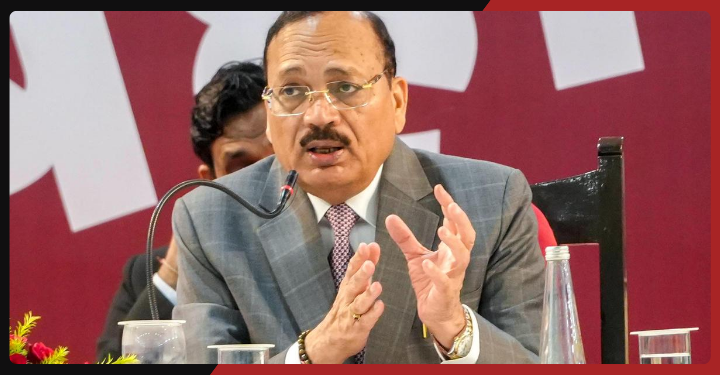

The decision of Chief Justice of India Surya Kant to decline a meeting with INDIA bloc leaders has brought renewed attention to the constitutional separation of powers in India. The opposition leaders had sought to present a memorandum concerning alleged electoral irregularities, the functioning of the Election Commission, and police action during recent protests.
The separation of powers is a foundational principle of constitutional government. Although the judiciary, legislature, and executive interact within India’s democratic system, each has distinct responsibilities. These boundaries are intended to prevent the concentration of authority and protect the independence of institutions.
The judiciary interprets the Constitution, decides legal disputes, and determines whether government actions comply with the law. The executive implements laws and administers government policies, while elected legislatures debate legislation, represent citizens, and hold governments politically accountable.
The reported refusal to meet opposition representatives reflects the importance of preserving these institutional boundaries. Where a political memorandum concerns matters already pending before the Supreme Court, an informal discussion could raise questions about whether judicial matters are being addressed outside the normal process.
The concern is particularly relevant when the representatives requesting a meeting are senior political figures and the subjects involve election administration or the conduct of government authorities. The Chief Justice must be able to approach such issues impartially, without creating the impression that a particular party has received preferential access.
However, separation of powers does not mean that constitutional institutions operate in complete isolation. Courts can review executive action through lawful proceedings, and political representatives can challenge government decisions through parliamentary debate, public advocacy, and litigation. The important distinction lies in the procedure through which those concerns are addressed.
In this case, the INDIA bloc wanted to raise issues relating to the Special Intensive Revision of electoral rolls, allegations described as vote theft, and demands concerning Chief Election Commissioner Gyanesh Kumar. The opposition also wanted to draw attention to the handling of protesters in Delhi.
These concerns involve questions that may require different kinds of legal consideration. Electoral disputes must be examined under the relevant laws, while allegations concerning police conduct may require a separate assessment of the facts and applicable protections.
A meeting with the Chief Justice would not automatically provide a legal remedy. If opposition leaders want a court order, they must pursue the appropriate judicial route and demonstrate why the relief requested is legally justified.
The refusal should therefore not be confused with a rejection of the opposition’s substantive allegations. It is a decision concerning the requested interaction, not a final judgment on every issue raised in the proposed memorandum.
For citizens, the principle at stake is the independence of the judiciary. Public confidence depends on courts being accessible through lawful procedures while remaining protected from political influence. It also depends on legal grievances receiving genuine consideration when properly presented.
The episode offers an opportunity to examine how democratic disagreement can be managed without undermining institutional independence. Political parties have the right to criticise public authorities and demand accountability, while courts must maintain impartiality in the exercise of judicial power.
Ultimately, separation of powers is not simply a constitutional phrase. It is a practical framework for ensuring that political disputes, administrative complaints, and legal challenges are handled by the institutions authorised to address them. The outcome of any formal case arising from this dispute will depend on the law and evidence, rather than the political importance of the individuals involved.