
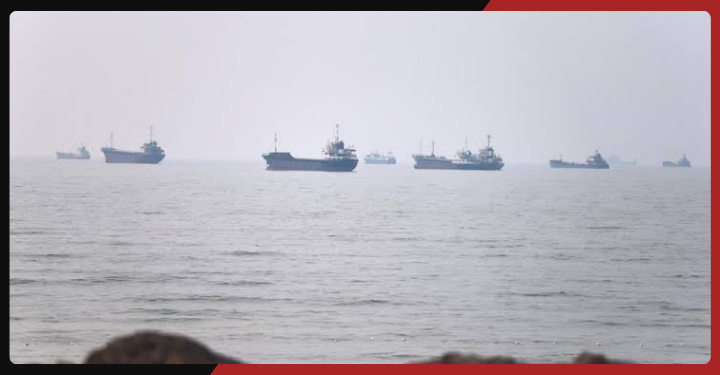

Iran has announced that its negotiations with Oman over a significant agreement concerning the Strait of Hormuz have entered their final phase, raising hopes of a diplomatic breakthrough in one of the world’s most strategically sensitive regions. The announcement has drawn widespread international attention, particularly after former U.S. President Donald Trump expressed optimism about developments in the Gulf, suggesting that meaningful progress may be underway. While the complete details of the proposed agreement have not yet been made public, officials and analysts believe the accord could help strengthen maritime security, improve regional cooperation, and reduce tensions in a waterway that is vital to the global economy.
The Strait of Hormuz is one of the most important shipping routes in the world. Located between Iran and Oman, the narrow passage serves as the gateway connecting the Persian Gulf with the Gulf of Oman and the Arabian Sea. Around one-fifth of the world’s oil supply and a substantial amount of liquefied natural gas pass through the strait every day. This makes the region crucial not only for Middle Eastern energy exporters but also for countries across Asia, Europe, and North America that rely heavily on imported oil and gas.
Because of its strategic importance, the Strait of Hormuz has often been a flashpoint for geopolitical tensions. Over the years, the region has witnessed naval confrontations, tanker seizures, drone attacks, and military patrols involving regional and international powers. Such incidents have frequently triggered sharp increases in oil prices and raised concerns about disruptions to global energy supplies. As a result, any diplomatic effort aimed at ensuring safe navigation through the strait is closely followed by governments, investors, and international businesses.
According to Iranian officials, negotiations with Oman have made significant progress, with only a few technical and procedural matters remaining before the agreement can be finalized. Although the specific terms have not yet been disclosed, experts believe the pact will focus on enhancing maritime security, improving communication between authorities, ensuring freedom of navigation for commercial vessels, and preventing misunderstandings that could escalate into larger military incidents.
Oman has played a pivotal role throughout the negotiations. The Gulf nation has earned international respect for maintaining a neutral foreign policy and acting as a trusted mediator in regional conflicts. Unlike several neighboring countries, Oman has consistently maintained diplomatic ties with Iran while also preserving strong relationships with Western nations, including the United States. This balanced approach has allowed Muscat to host sensitive negotiations and facilitate dialogue during periods of heightened regional tension.
Diplomatic observers note that Oman’s involvement significantly increases the credibility of the talks. Over the past two decades, the country has quietly supported several successful negotiations that helped reduce tensions between rival governments. Its reputation for impartial diplomacy has made it one of the most trusted intermediaries in the Middle East.
Former U.S. President Donald Trump’s remarks have added another layer of significance to the ongoing negotiations. Speaking about developments in the Gulf, Trump indicated that a breakthrough may be approaching and welcomed signs of diplomatic progress. Although he did not provide detailed information about the discussions, his comments generated widespread speculation that broader regional engagement could be taking place behind the scenes.
Trump’s optimism is particularly notable given the history of U.S.-Iran relations during his administration. In 2018, the United States withdrew from the Iran nuclear agreement and imposed sweeping economic sanctions on Tehran under its “maximum pressure” campaign. Relations between the two countries subsequently deteriorated, leading to several confrontations across the Gulf region. The latest diplomatic developments therefore represent a markedly different atmosphere compared to the tensions witnessed in previous years.
Economic considerations are among the strongest motivations behind the negotiations. Stable shipping through the Strait of Hormuz is essential for maintaining reliable global energy supplies. Any disruption can affect fuel prices, transportation costs, inflation, and economic growth worldwide. Shipping companies operating in the region have also faced higher insurance premiums due to security concerns. A formal agreement improving maritime coordination could reduce these risks and encourage greater confidence among international shipping operators.
Energy markets have responded cautiously to reports of diplomatic progress. Analysts suggest that a successful agreement could contribute to greater price stability by reducing fears of conflict in the Gulf. While oil prices are influenced by many factors, geopolitical stability remains one of the most important drivers of market sentiment.
For Iran, the agreement could also offer important diplomatic and economic advantages. The country continues to experience financial challenges resulting from sanctions, inflation, and restricted access to international markets. Strengthening ties with neighboring countries and demonstrating a commitment to regional cooperation may improve Iran’s international standing while opening new opportunities for trade and investment.
Oman, meanwhile, is expected to reinforce its position as one of the Middle East’s leading diplomatic mediators. The country has consistently promoted peaceful dialogue over confrontation, believing that regional security depends on communication and mutual understanding rather than military escalation. Successfully facilitating the Hormuz agreement would further strengthen Muscat’s international reputation.
International observers remain optimistic but cautious. Experts emphasize that signing the agreement is only the first step. Its long-term success will depend on effective implementation, continued political commitment, transparency, and cooperation among all parties involved. Maritime security requires ongoing coordination, particularly in a region where multiple national and international naval forces operate simultaneously.
The broader Middle Eastern political landscape has also shown signs of gradual change in recent years. Several countries have begun rebuilding diplomatic relationships after years of rivalry, recognizing that economic cooperation and regional stability are essential for future development. Improved security in critical maritime routes like the Strait of Hormuz supports these wider efforts by encouraging trade, investment, and international confidence.
As negotiations move toward their conclusion, the international community will continue watching developments closely. If Iran and Oman successfully finalize the agreement, it could become one of the most significant diplomatic achievements in the Gulf in recent years. Beyond improving maritime safety, the accord could demonstrate that sustained diplomacy remains the most effective path toward reducing regional tensions, protecting global energy supplies, and fostering long-term peace and stability in one of the world’s most strategically important regions.