
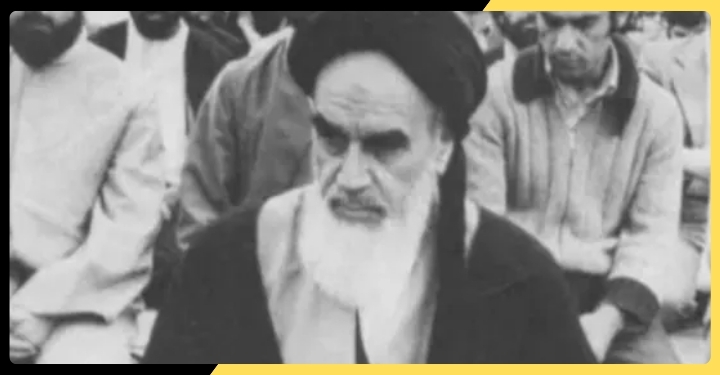

As Iran begins its official mourning period following the death of its Supreme Leader, political reactions within India have reflected the layered and sometimes delicate nature of bilateral ties. Statements from across India’s political spectrum reveal a mix of strategic caution, historical reflection, and calls for policy clarity.
The Embassy of Iran in New Delhi lowered its flag to half-mast, signaling the gravity of the moment. The gesture was accompanied by a formal expression of grief and appeals for international recognition of Iran’s loss. Such symbolism resonated within sections of India’s political establishment, where leaders acknowledged Iran’s importance as a regional actor.
Members of the Aam Aadmi Party and other parties urged the Indian government to articulate a clear position. While these calls varied in tone, they collectively underscored a key reality: India’s relationship with Iran cannot be viewed in isolation. It intersects with ties to the United States, Israel, Gulf nations, and Central Asian states.
India’s foreign policy doctrine of strategic autonomy has long guided its approach. Rather than adopting sharply ideological positions, New Delhi tends to emphasize dialogue, de-escalation, and the protection of national interests. In this instance, that likely translates into measured official statements, quiet diplomatic outreach, and continued engagement on economic projects already underway.
Energy security remains central. Even though sanctions have limited direct oil trade in recent years, Iran remains relevant to global supply dynamics. Any prolonged instability could affect prices, shipping routes, and investor confidence. Indian policymakers are acutely aware of how external shocks can ripple through domestic markets.
Security considerations also play a role. The Gulf region hosts millions of Indian expatriates, and remittances form a significant component of India’s foreign exchange inflows. Escalating tensions could endanger not only trade routes but also diaspora communities, further complicating the policy environment.
In this context, India’s reaction to Iran’s leadership transition reflects a broader balancing act — one that seeks to preserve historical goodwill while adapting to changing geopolitical realities. The coming months will test whether both nations can sustain their engagement amid shifting regional equations. For now, India’s tone suggests continuity, prudence, and a preference for stability over confrontation in an already volatile neighborhood.
