
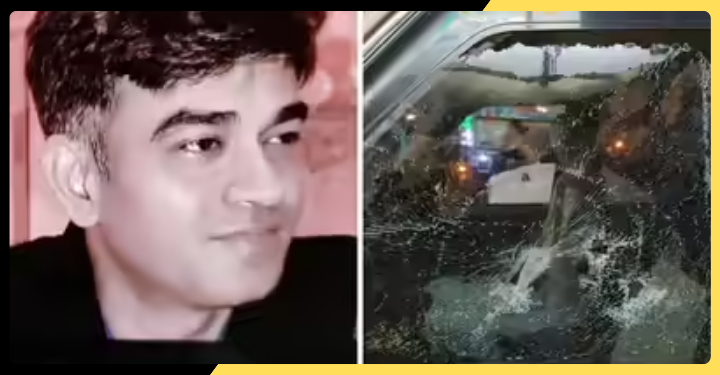

The murder of Chandranath Rath, a key associate of BJP leader Suvendu Adhikari, has sent shockwaves across West Bengal and sparked fresh fears over escalating political violence in the aftermath of the Assembly elections. The fatal shooting has intensified accusations between rival political parties and drawn widespread public attention.
Rath, known for his active involvement in local political campaigns, was reportedly attacked by unidentified gunmen while travelling through his constituency area. Witnesses stated that multiple shots were fired, causing panic among residents nearby. Despite emergency medical efforts, Rath could not survive the injuries.
Following the incident, BJP leaders launched a scathing attack on the state government, alleging that opposition workers were being deliberately targeted after the elections. Suvendu Adhikari described Rath as a committed worker who had dedicated years to strengthening the party organisation at the grassroots level.
The BJP accused the administration of failing to curb violence and demanded central intervention. Several party offices observed protests and candlelight marches in Rath’s memory, with supporters calling for immediate arrests.
The Trinamool Congress dismissed the allegations and insisted that the police investigation should proceed without political interference. Leaders from the ruling party said attempts were being made to politicise a criminal incident and create unrest.
Police officials increased security deployment in sensitive areas to prevent clashes between supporters of rival parties. Barricades were set up in several locations, and patrolling intensified throughout the district. Authorities urged residents not to believe rumours circulating on social media.
Political analysts say the latest killing reflects the deeply polarised nature of Bengal politics. Competition between the BJP and the Trinamool Congress has grown increasingly fierce in recent years, particularly after the BJP expanded its presence in the state. This rivalry has often translated into violent confrontations at the local level.
Residents in Rath’s hometown mourned his death, describing him as approachable and politically influential. Family members demanded justice and appealed to authorities for a transparent investigation.
The incident also triggered reactions from national political leaders, many of whom condemned violence in democratic politics. Some opposition figures demanded stricter monitoring of post-election law and order situations in politically volatile states.
Experts warn that continued violence could discourage political participation and deepen social divisions. They argue that stronger institutional safeguards are necessary to ensure free political activity without fear of attacks or retaliation.
Meanwhile, investigators are examining possible motives behind the killing. Police sources indicated that several individuals had been identified for questioning, though no official arrests were immediately announced.
As political rhetoric intensifies, Chandranath Rath’s death has become a symbol of Bengal’s turbulent electoral environment. The tragedy has once again raised difficult questions about political accountability, security, and the future of democratic engagement in the state.
