
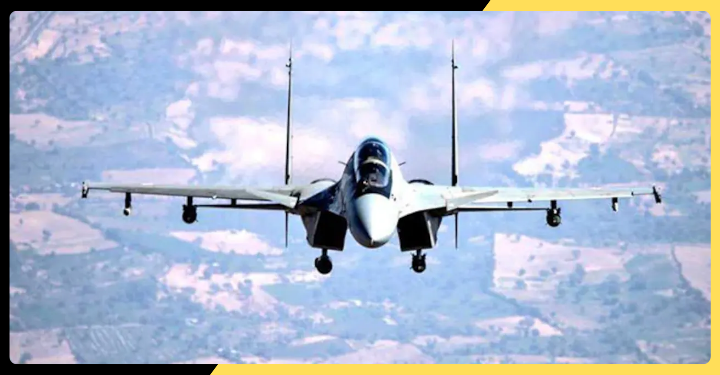

India’s long-awaited move toward integrated theatre commands is widely regarded as one of the most significant military reforms in the country’s history. While the proposal has been under discussion for more than two decades, changing security dynamics along India’s borders with China and Pakistan have added fresh urgency to the initiative. Defence planners believe that a unified command structure will enable faster decision-making, improve coordination among the Army, Navy, and Air Force, and strengthen India’s ability to respond to simultaneous threats across multiple fronts.
India’s strategic environment has become increasingly complex over the past decade. Along the northern frontier, tensions with China have remained elevated following military standoffs and increased infrastructure development on both sides of the Line of Actual Control (LAC). At the same time, the western border with Pakistan continues to demand constant vigilance due to cross-border security concerns, ceasefire violations, and the possibility of conventional military escalation. Managing these challenges requires an armed force capable of operating as a single, integrated entity rather than as three independent services.
The proposed theatre command system aims to address this need by placing all military assets within a specific operational region under one commander. Instead of separate Army, Navy, and Air Force headquarters planning their own missions, a theatre commander would have authority over the forces assigned to that theatre. This structure is intended to eliminate delays in coordination, improve operational planning, and ensure that military resources are used in the most effective manner during crises.
One of the primary motivations behind the reform is the possibility of a two-front security challenge. Indian defence planners have long considered the scenario in which tensions with China and Pakistan could occur simultaneously. In such a situation, rapid coordination between land, air, and maritime forces would be critical. Integrated theatre commands are designed to improve readiness by allowing military leaders to plan joint operations well before a crisis develops rather than coordinating separate service responses after hostilities begin.
The Northern Theatre Command, as proposed, would focus on India’s border with China. This region includes some of the world’s most difficult terrain, with high-altitude mountains, extreme weather, and limited infrastructure. Military operations in such conditions require close cooperation between ground forces, transport aircraft, helicopters, surveillance systems, and logistics units. A unified command would help ensure that all available resources are deployed according to operational priorities rather than service-specific planning.
Similarly, the proposed Western Theatre Command would concentrate on India’s border with Pakistan. This theatre would integrate infantry formations, armored units, artillery, combat aircraft, intelligence assets, and logistics under one command structure. Defence experts argue that unified planning could improve the speed of military responses during border incidents while strengthening deterrence through better preparedness and coordination.
Maritime security also forms an essential part of India’s overall defence strategy. The Indian Ocean Region carries a significant share of global trade, making it strategically important for India’s economy and national security. The proposed Maritime Theatre Command would integrate naval fleets, maritime patrol aircraft, amphibious forces, and coastal defence systems into a single operational framework. Such coordination would improve India’s ability to protect shipping lanes, monitor regional activities, conduct humanitarian assistance missions, and respond to emerging maritime challenges.
Modern warfare extends beyond traditional battlefields. Cyber attacks, electronic warfare, satellite surveillance, unmanned aerial systems, and long-range precision weapons have become central elements of military strategy. Integrated theatre commands are designed to combine these capabilities into a unified operational picture, allowing commanders to make informed decisions based on real-time intelligence from multiple sources. This multidomain approach is increasingly viewed as essential for success in contemporary conflicts.
Another important benefit of the reform is faster decision-making. Under the current structure, major operations often require extensive coordination between separate service headquarters. While these mechanisms have improved over the years, integrated commands can simplify operational planning by placing authority within a single headquarters responsible for the mission. During fast-moving situations, this streamlined process may reduce response times and improve overall operational effectiveness.
Supporters also believe the reform will make better use of defence resources. Joint logistics, shared maintenance facilities, common communication networks, and integrated intelligence systems can reduce duplication while improving efficiency. Rather than each service maintaining separate support structures, theatre commands encourage a more coordinated approach to procurement, training, and sustainment. Over time, this could help maximize the value of India’s defence investments.
The reform also reflects broader changes in military thinking around the world. Countries such as the United States and China have adopted integrated command systems to improve joint operations and strategic flexibility. While India’s security challenges differ from those of other nations, defence planners believe that adapting to modern command structures is necessary to remain prepared for evolving regional threats.
Despite the broad support for military integration, implementation remains a complex undertaking. The Army, Navy, and Air Force each possess unique operational doctrines, command traditions, and specialized capabilities. Ensuring that these strengths are preserved while creating an effective unified command requires careful planning, detailed operational guidelines, and continued cooperation among military leaders.
The role of the Chief of Defence Staff (CDS) and the Department of Military Affairs has been central to advancing the reform. Since the creation of the CDS position in 2020, efforts have focused on promoting jointness, developing integrated doctrines, and resolving differences regarding command responsibilities. The objective has never been to diminish the identity of individual services but to enhance their effectiveness through closer collaboration.
If approved, India’s theatre command system will represent a major milestone in the modernization of its armed forces. More importantly, it will provide a framework for addressing the increasingly interconnected security challenges posed by regional tensions, technological advancements, and multidomain warfare. As strategic competition continues to evolve across Asia, integrated theatre commands are expected to strengthen India’s military readiness and improve its ability to safeguard national interests against both present and future threats.
