
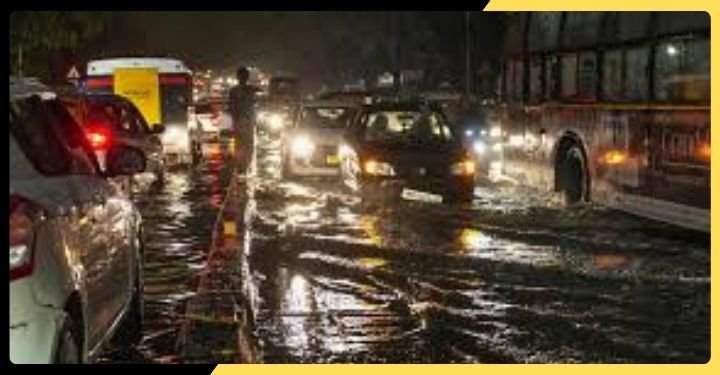

A sudden hailstorm combined with intense winds and heavy rain created chaos across Bengaluru, resulting in the deaths of 10 people and leaving several others injured. The extreme weather event caused widespread damage to property and infrastructure, exposing the city’s vulnerability to such unexpected disasters.
The storm hit during peak hours, leading to panic among residents and commuters. Trees were uprooted and fell onto vehicles and roads, causing accidents and blocking key routes. In some areas, boundary walls collapsed under the pressure of strong winds and continuous rainfall.
Authorities reported that emergency helplines were flooded with calls as people sought assistance. Rescue teams were dispatched immediately to the worst-affected areas, working under challenging conditions to save lives and clear debris.
Hospitals across the city reported an influx of patients suffering from injuries caused by falling objects and accidents. Medical staff worked around the clock to handle the emergency, while additional resources were mobilized to meet the demand.
The city’s infrastructure faced a severe test during the storm. Waterlogging was reported in several low-lying areas, and drainage systems failed to cope with the sudden influx of rainwater. Power outages affected thousands of households, further complicating rescue and relief operations.
Local authorities have initiated an assessment of the damage and are coordinating with various departments to restore normalcy. Citizens have been advised to remain cautious and report any hazardous situations to the authorities.
The incident has raised questions about disaster preparedness and response mechanisms in Bengaluru. Urban planners and environmental experts have called for urgent measures to strengthen infrastructure and improve early warning systems.
As the city mourns the loss of lives, there is a growing demand for accountability and action to prevent such tragedies in the future.