
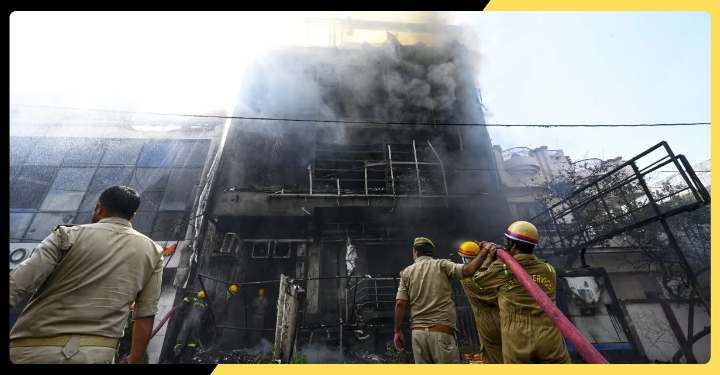

The aftermath of the Lucknow building fire has generated strong public reactions, with many citizens demanding answers about how the affected structure received approval and whether it remained compliant with safety regulations throughout its operation.
Public concern intensified as reports highlighted potential questions surrounding fire preparedness and building management practices. Residents and community organizations have urged authorities to conduct an impartial inquiry and make its findings publicly available.
Building approval systems are intended to ensure that structures meet prescribed standards before they are occupied. These standards cover structural integrity, emergency access, fire protection measures, and other critical safety requirements. However, compliance must continue long after construction is completed.
The current investigation is expected to examine whether the building underwent periodic inspections and whether any modifications were made without proper authorization. Such inquiries are essential for determining whether administrative or operational failures contributed to the disaster.
Transparency has become a central demand. Citizens argue that access to approval documents and inspection records can improve accountability and strengthen public confidence in regulatory institutions. Digital platforms could make such information more accessible and easier to verify.
Experts emphasize that preventing future tragedies requires both enforcement and awareness. Property owners must understand their responsibilities, while regulators must ensure that violations are detected and corrected promptly.
The incident has reignited conversations about reforming approval processes and enhancing post-construction monitoring. Many observers believe the tragedy should serve as a turning point in how safety compliance is managed and enforced across the city.
