
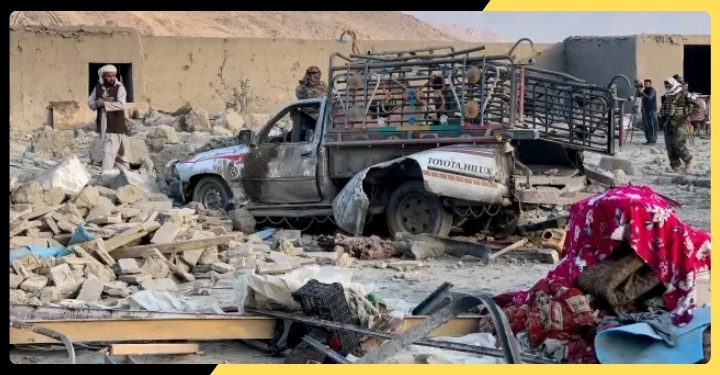

A new round of cross-border clashes has heightened fears of sustained conflict after Afghan forces launched retaliatory strikes in response to what officials described as unauthorized airspace violations by Pakistan. The confrontation has drawn urgent appeals for de-escalation from regional and international actors.
The dispute began when Pakistani aircraft conducted strikes that officials in Islamabad said were aimed at neutralizing militant threats near the frontier. Afghan leaders, however, condemned the action as a breach of sovereignty and reported civilian harm in affected areas.
In retaliation, Afghan military units targeted sites along the border they believe were connected to the earlier operation. Defense authorities characterized the move as defensive rather than offensive, emphasizing that the goal was deterrence.
Local sources described scenes of panic as artillery exchanges echoed across mountainous terrain. Temporary shelters have been established in some districts for families displaced by the violence. Medical personnel reported shortages of supplies amid rising casualties.
The two countries share a long and contentious border shaped by historical disputes and shifting political dynamics. Militant activity, smuggling routes, and limited state control in remote areas have compounded tensions. Despite periodic cooperation agreements, accusations of cross-border militancy persist.
Economic implications are also significant. Key transit routes have experienced temporary closures, affecting trade flows and local markets. Business leaders warned that prolonged instability could disrupt supply chains and deepen economic strain in already fragile regions.
Diplomatic observers note that both governments face domestic pressures to appear strong on security issues. Such political dynamics can make compromise more difficult, even when leaders recognize the risks of escalation.
International mediators have urged immediate dialogue, proposing joint border monitoring mechanisms and intelligence-sharing frameworks to reduce misunderstandings. Previous attempts at similar arrangements yielded mixed results, but analysts argue that renewed efforts are essential.
The risk of miscalculation looms large. Without clear communication channels, isolated incidents can quickly trigger broader military responses. Confidence-building measures, including transparent investigations into alleged militant activity, may help rebuild trust.
For civilians living near the frontier, the priority is stability. Community elders in several districts have called for restraint and appealed to both governments to prioritize peace over retaliation.
Whether this latest flare-up subsides or deepens into sustained confrontation will depend on swift diplomatic engagement and a mutual willingness to address underlying grievances. For now, the border remains tense, with both sides maintaining heightened alert levels as the region watches developments closely.
