
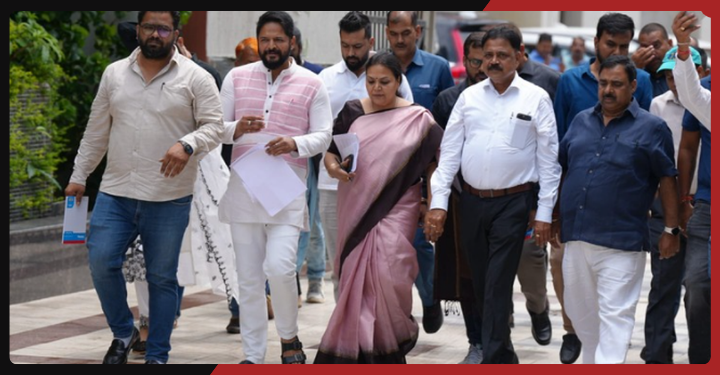

The standoff between protesting students and the Jharkhand government continues after another meeting failed to resolve the dispute. Government representatives met a faction of student protesters, but the discussions ended without a breakthrough, prompting the students to continue their agitation.
The latest development reflects the challenges facing the administration as it tries to address the concerns of student groups. While talks have provided an opportunity for dialogue, they have so far failed to produce an outcome acceptable to the protesters.
The students have been raising concerns linked to issues that affect their academic and employment prospects. Their demands have become the central focus of the agitation, with protesters insisting that the government take meaningful steps rather than limiting its response to discussions.
For students, the matter is closely connected to their future. Government examinations and recruitment opportunities attract large numbers of candidates in Jharkhand. Many students invest significant amounts of time and money preparing for these opportunities. Any uncertainty surrounding the system can therefore have a direct impact on their lives.
The government’s engagement with another faction of protesters indicates that officials are continuing to explore a negotiated solution. However, the existence of different groups within the movement can complicate the process.
A settlement may require the administration to hold a wider consultation involving representatives from the various student organisations. Such a process could help identify common demands and prevent disagreements among factions from blocking a broader agreement.
Meanwhile, students appear determined to continue their protest. The failed meeting has not persuaded them to withdraw their agitation. Instead, it has strengthened their demand for a clearer government response.
The administration will now have to decide how to proceed. Another round of talks could be arranged, particularly if officials believe that there is room for compromise. The government could also consider presenting a detailed response to the demands raised by student organisations.
The manner in which the government handles the situation will be closely watched. A transparent and constructive approach could help restore confidence and create conditions for a settlement.
The students, however, are likely to maintain pressure until they receive satisfactory assurances. Their continued mobilisation demonstrates that the dispute remains unresolved despite attempts at dialogue.
The situation also highlights the broader importance of student participation in public policy discussions. Young people preparing for examinations and employment opportunities are directly affected by government decisions, making their concerns an important part of the public debate.
For now, the deadlock continues. The latest meeting has failed to deliver the breakthrough that both the administration and the wider public may have hoped for.
The future of the agitation will depend on what happens next. If both sides are willing to continue negotiations, there remains a possibility of finding common ground. But without substantial movement, the Jharkhand student protest is likely to remain active.