

A bomb threat received by the Delhi High Court on August 14 has once again placed institutional security under the spotlight as Delhi prepares for Independence Day.
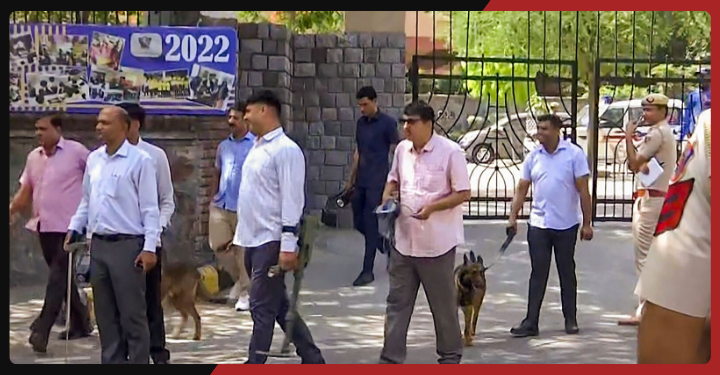
The threatening communication was received by email at around 11:43 am, according to reports. The message reportedly mentioned the Red Fort and referred to possible attackers wearing khaki clothing. Security authorities responded by activating their established procedures and conducting searches at the court premises.
No conclusion about the credibility of the threat should be drawn merely from the existence of the email. A threat communication is an allegation until investigators establish whether it represents a genuine security risk. This is why authorities carry out searches even when there are indications that the message could be a hoax.
The Delhi High Court is a major judicial institution and has extensive daily footfall. Judges, advocates, litigants, court employees, police personnel and visitors regularly move through its premises. Maintaining security at such a location is therefore a complex responsibility.
Any threat can disrupt court functioning. Hearings may have to be delayed, access can be restricted and people may need to be moved away from particular buildings or areas while security teams conduct inspections.
There is also a wider concern surrounding the use of email threats. In recent years, Delhi has witnessed repeated incidents involving threatening messages sent to schools, airports, courts and other institutions. Many were later found to be false, but authorities still had to respond as though the danger could be real.
The Delhi High Court itself experienced a major security scare in September 2025. A threatening email claimed explosive devices had been placed in the court premises. Judges, lawyers and litigants were evacuated, while police, bomb disposal teams and sniffer dogs carried out searches. The premises were subsequently cleared and the threat was declared a hoax.
Such incidents raise questions about how institutions should respond to digital threats. Modern security operations increasingly require both physical and digital investigation. Security personnel must search buildings while investigators simultaneously work to identify the sender and determine whether the communication is part of a larger campaign.
The timing of the August 14 threat adds another layer of concern. Independence Day requires significant security deployment throughout Delhi, particularly around the Red Fort and other sensitive areas. Aviation authorities also introduce special operating restrictions around Delhi during designated periods on August 15.
The reported reference to the Red Fort therefore makes the message particularly relevant to the broader security environment.
At the same time, authorities must avoid unnecessary public alarm. Security alerts are intended to protect people, not create panic. Citizens are best served when official information is distinguished clearly from speculation on social media.
Investigators will now have to determine who sent the message, why it was sent and whether it contained any actionable intelligence. If the communication is established as a hoax, authorities may also investigate the motive behind it and consider appropriate legal action.
The incident demonstrates that security preparedness involves more than visible police deployment. It also requires rapid information sharing, technical investigation, building searches and coordination between different agencies.
As Delhi moves toward Independence Day, security agencies remain focused on preventing disruption. The High Court threat is being handled through established procedures, while the wider capital remains under heightened vigilance.
The coming hours will be important for investigators as they work to determine the origin and credibility of the threatening communication.