
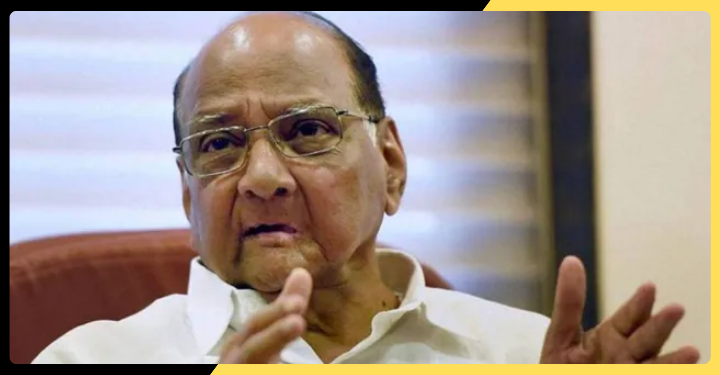

A major organizational decision by the Sharad Pawar-led Nationalist Congress Party (NCP) has stirred political discussions across Maharashtra after the party announced the removal of all its official spokespersons in a late-night order. The sweeping action, which came into effect immediately, has been viewed by political observers as a significant attempt to reshape the party’s communication strategy at a time when Maharashtra’s political landscape continues to evolve.
The official notification confirmed that every spokesperson appointed by the party had been relieved of their responsibilities. Although the statement did not elaborate on the reasons behind the decision, senior leaders indicated that the move was part of an internal organizational review designed to improve coordination, strengthen message discipline, and enhance the party’s public engagement.
The development has attracted considerable attention because spokespersons serve as the public face of any political party. They represent the organization’s views during television debates, media briefings, press conferences, and digital platforms. Removing the entire communication team in a single decision is an uncommon step, making the announcement one of the most talked-about political developments in the state.
Political analysts believe the move reflects the increasing importance of centralized communication in contemporary politics. With news spreading instantly through television and social media, parties are under constant pressure to respond quickly while ensuring consistency in their messaging. A single conflicting statement from a party representative can create confusion among supporters and provide opportunities for political rivals.
Since the split in the Nationalist Congress Party, the Sharad Pawar faction has focused on rebuilding its organizational structure and reinforcing its political identity. The party has strengthened district-level committees, expanded grassroots outreach, and increased interactions with workers across Maharashtra. The latest restructuring appears to be another step in that broader organizational effort.
According to sources familiar with the party’s functioning, senior leaders had been assessing the effectiveness of the communication department for some time. Internal discussions reportedly centered on improving coordination between party leadership and media representatives. While there has been no official indication of disciplinary action against any individual spokesperson, the leadership ultimately chose to dissolve the entire panel rather than make selective changes.
Supporters of Sharad Pawar argue that the decision demonstrates his long-standing emphasis on discipline and organizational efficiency. Throughout his political career, Pawar has frequently implemented structural reforms whenever he believed they would strengthen the party. His supporters describe the latest decision as proactive rather than reactive, aimed at preparing the organization for future political challenges.
The announcement has also triggered political reactions from opposition parties. Some leaders claimed the move reflects internal dissatisfaction within the Sharad Pawar camp, suggesting differences over strategy and communication. Others, however, acknowledged that periodic restructuring is common in political organizations and cautioned against reading too much into the decision before the party announces its next steps.
Grassroots workers and district office-bearers have largely welcomed the leadership’s decision, expressing confidence that a new communication team will soon be formed. Many believe the upcoming appointments will provide opportunities for emerging leaders while also bringing greater professionalism to the party’s media outreach.
Experts suggest that the composition of the next spokesperson panel will be closely watched. The leadership may seek individuals with strong communication skills, policy knowledge, media experience, and the ability to present the party’s position effectively across multiple platforms. Balancing experienced leaders with younger faces could also become an important consideration.
The timing of the move is particularly significant as Maharashtra remains one of India’s most politically active states. Frequent political developments, alliance discussions, and governance debates require parties to communicate clearly and respond swiftly to evolving situations. A streamlined communication structure could help the NCP maintain a more consistent public presence in this competitive environment.
For now, official communication is expected to be handled by senior members of the party leadership until a new spokesperson panel is announced. Political observers expect the restructuring process to continue over the coming weeks, with further organizational changes possible as the party prepares for future electoral and political challenges.
The late-night decision has undoubtedly become a defining moment for the Sharad Pawar-led NCP. Whether it leads to a more effective communication strategy and stronger organizational cohesion will become clear only after the new media team is constituted. Until then, the political establishment will continue to watch closely as one of Maharashtra’s most influential parties reshapes its public-facing leadership.
