
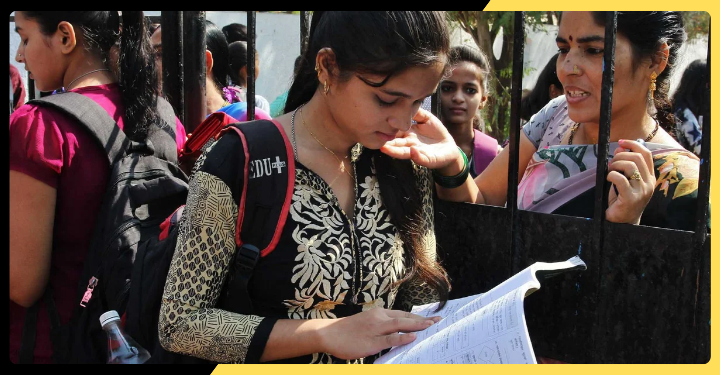

Final examination results across several educational institutions and testing bodies in India are facing increased scrutiny following claims of assessment errors raised by students and parents. The controversy has triggered widespread debate about the reliability of evaluation systems and the need for greater transparency in the examination process.
The concerns emerged shortly after the release of results for a range of board examinations, university tests, and competitive entrance assessments. Thousands of students reported receiving marks that they believed did not accurately reflect their performance. As complaints spread across social media and educational forums, calls for reviews and reassessments intensified.
Many students have expressed surprise at scores that were significantly lower than expected. Some candidates stated that they had performed well in mock tests, internal assessments, and previous examinations, making their final results difficult to understand. Others reported discrepancies between their expected marks and the grades ultimately awarded by examination authorities.
One of the central issues involves allegations of assessment errors. Students claim that certain answers may have been evaluated incorrectly or that some responses were not assessed at all. There have also been reports of potential mistakes in totaling marks and compiling final score sheets. While authorities maintain that strict evaluation procedures are in place, the volume of complaints has raised questions about whether additional safeguards are necessary.
The impact of such concerns extends far beyond examination halls. In India’s highly competitive educational environment, final examination scores often determine admission to colleges, universities, and professional programs. Merit lists, scholarships, and career opportunities frequently depend on academic performance, meaning even small discrepancies can have significant consequences.
For many students, examination results represent the culmination of years of preparation. Academic success often requires extensive study schedules, participation in coaching programs, and considerable personal sacrifice. As a result, candidates who believe their papers may have been assessed incorrectly often feel frustrated and disappointed by the outcome.
Parents have become increasingly involved in the debate, arguing that students deserve a fair and transparent evaluation process. Many families invest substantial resources in education, including tuition fees, coaching expenses, and study materials. Unexpected results can therefore create not only emotional stress but also concerns about whether the educational system is functioning as intended.
Student groups and educational activists have responded by demanding reforms aimed at improving transparency. Their proposals include easier access to evaluated answer sheets, clearer marking criteria, quicker re-evaluation procedures, and more detailed explanations of how marks are awarded. Advocates believe that greater openness would help address concerns and reduce uncertainty among candidates.
A number of students who sought re-evaluation or verification of their results reportedly received revised scores after review. Such cases have fueled further debate, with critics arguing that if marks can change significantly following reassessment, additional quality-control measures may be needed before results are released. Students contend that accurate evaluation should occur during the initial assessment process rather than relying heavily on post-result corrections.
Educational experts acknowledge that large-scale examination systems face significant operational challenges. Millions of answer sheets must often be evaluated within relatively short periods, requiring coordination among thousands of examiners and administrators. While procedures are designed to maintain consistency, experts note that occasional errors are possible in any system involving extensive human involvement.
At the same time, specialists emphasize the importance of maintaining public trust in educational assessments. Confidence in examination systems depends on the perception that evaluations are conducted fairly, consistently, and accurately. When large numbers of students question their results, authorities may face pressure to review existing procedures and strengthen accountability measures.
Examination boards and institutions have defended their processes, highlighting the multiple stages of moderation and verification typically used during evaluation. Officials argue that examiners follow detailed guidelines and that quality checks are performed before results are finalized. They also encourage students to use formal grievance mechanisms if they believe errors have occurred.
However, critics argue that the existing review system may not always meet students’ needs. Re-evaluation requests can involve fees and waiting periods, while admission deadlines often continue regardless of ongoing appeals. This can place students in difficult situations, forcing them to make important academic decisions before review outcomes are known.
The controversy has also renewed interest in educational reform. Some experts advocate moving away from heavy dependence on a single final examination and adopting broader assessment models that incorporate coursework, practical assignments, and continuous evaluation. Such approaches, they argue, may reduce pressure and lessen the impact of isolated assessment errors.
Technology is increasingly being explored as a potential solution. Digital evaluation systems, automated verification tools, and artificial intelligence-assisted assessment platforms could help improve accuracy and reduce administrative mistakes. While technological innovation offers promise, experts caution that human oversight remains essential to ensure fairness and reliability.
As examination authorities continue to address complaints and process review requests, the scrutiny surrounding final exam results is unlikely to fade quickly. Students, parents, and educators are calling for systems that balance efficiency with accountability, ensuring that every candidate receives an accurate assessment of their abilities.
The ongoing debate serves as a reminder that examination results carry life-changing significance for many young people. Strengthening trust in the assessment process will remain a priority as educational institutions seek to respond to growing demands for transparency and fairness.